As the weather gradually starts to trend warmer as spring rolls in, the yearly storm season comes in, too. And all the yearly risks of the storm season start to pop up like clockwork. This year, the usual risks are all there, alongside a somewhat newer risk.
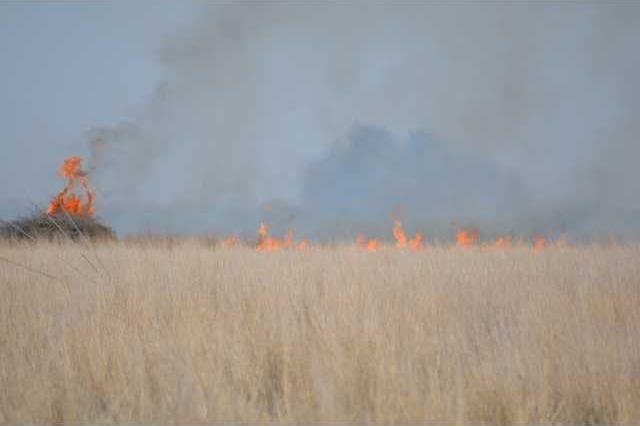
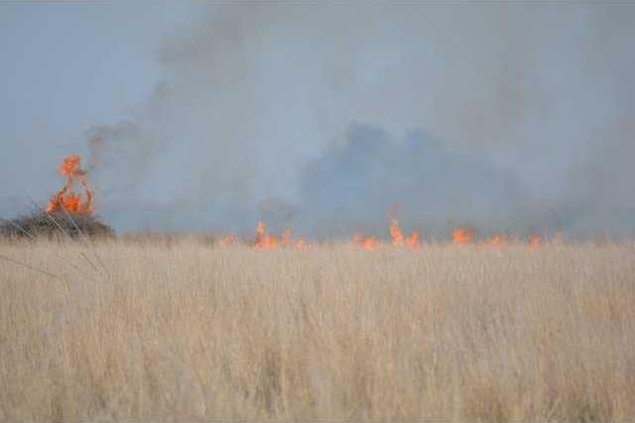
A risk that’s popped up in recent years has been wildfire risk due to recent drought conditions. Southwestern Kansas has already felt the hand of the heightened wildfire this year. “A lot of that’s been brought on by drought conditions,” said Sean Kelly, Barton County Emergency Management Director. “Plus when we get moisture, it’s been in quick spurts. Which gives us a short burst of growth, and then we go right backwards into drying down. So, we put more fuel out there, but then we dry them right back out. Which increases our wildfire risk. As we’ve seen over the last several weeks, it’s kicked back up and it’s coming in, coming in strong.”
This is mainly due to short term moisture followed by droughts that dry out all of the growth that occurs. “We’ve got a fairly heavy fuel load with some late moisture last year in that September, October range that put a pretty heavy fuel load down that is now dried down. And the grass fuels we call one hour fuels, and they only take an hour to match the humidity in the air. So, when our relative humidity gets down low, add the wind, there’s not a lot of moisture to keep it from running,” said Kelly. Central, Southern and Western Kansans should be prepared and keep an ear out for that, along with the usual storm threats this season.
The highest, usual risks of severe weather for the Golden Belt are: hail, high winds and tornadoes. All of the usual suspects and signifiers of that true tornado alley storm season. Over the past ten years, have begun to shift to more extremes of all conditions, whilst leaving milder storms fewer and farther between. “We’re seeing more severe, severe weather. Whereas, we’re not getting these lower strength storm systems that push through and bring a lot of rain, not as much lightning and tornado threats. We’re seeing an uptick in this severe weather pattern,” said Kelly on the intensified conditions of each consecutive storm season. “If we get a super cell, they’re producing a little heavier and harder. We’re getting more of those, which is the straight line winds, a bow echo, kind of storm. Those super cells are bringing a lot more rain, as well as wind activity and hail.”
It will be important for the community to stay alert and prepared heading into the storm season this year, with the more severe shift as of recent. “2023 is a prime example. When we had a large hailstorm with a wind event,” said Kelly. This storm season is the only thing in the way of warmer, sunnier days ahead for Great Bend.