The City of Great Bend Utilities Department is reminding customers about the importance of backflow prevention devices and providing an update on required annual testing.
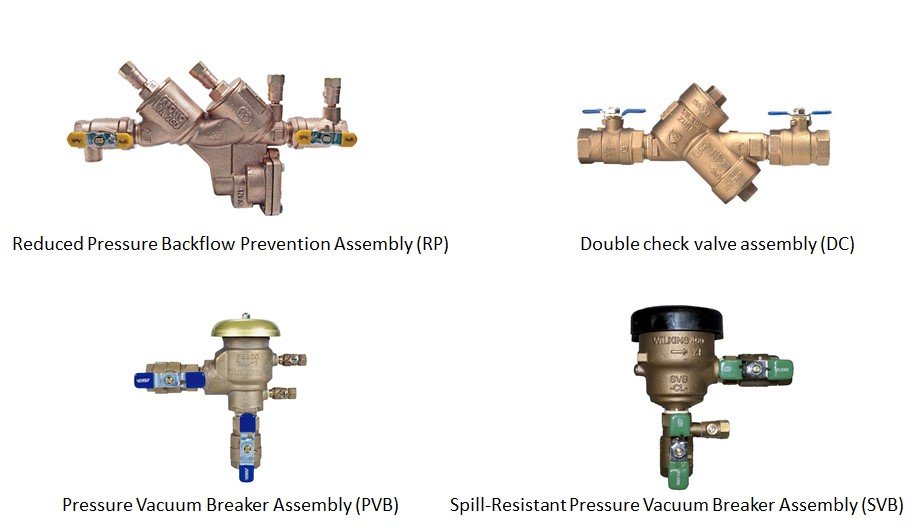
Backflow prevention devices are safety devices installed on certain water connections to help protect the public drinking water system. They prevent water from flowing backward into the city’s water lines, which can happen during events such as water main breaks, firefighting activities, pressure changes, or when private systems like irrigation, fire suppression or industrial equipment are connected to the water supply. Without proper protection, these situations can allow contaminants to enter the public water system.
The City of Great Bend adopted the 2018 Uniform Plumbing Code (UPC), which requires backflow prevention devices on water connections connected to the municipal water supply system that could pose a risk to the public water system. These requirements apply to properties served by city water and do not apply to private well systems that are not connected to the city’s water system. In general, a backflow preventer is required when a property has a condition where water could potentially flow back into the city’s water lines. Common examples include lawn irrigation (sprinkler) systems, fire sprinkler systems, commercial or industrial plumbing, boilers, chemical or process equipment, or any connection where chemicals, fertilizers or non-potable water are present.
The Kansas Department of Health and Environment (KDHE) requires that backflow prevention devices be tested annually by a certified tester to confirm they are working properly. These tests are a critical part of protecting Great Bend’s drinking water and ensuring the system remains safe for all customers.
The utilities department is currently working through a backlog of known or previously reported backflow prevention devices to bring all required testing into compliance with KDHE requirements. Due to the number of devices involved and the coordination required with property owners and certified testers, this process will take time. To manage this effort efficiently, the city will be sending compliance notifications in small groups of approximately 25-30 properties at a time as it works through the existing backlog of known or previously reported backflow prevention devices. This phased approach allows staff to provide appropriate follow-up and assistance without disrupting service operations. Once the backlog has been addressed, the city will begin targeted outreach to other properties that may be at higher risk based on system connections and usage. Customers who are not contacted during the notification phase do not need to take action at this time.
As part of this process, annual backflow testing results must be submitted through Brycer – The Compliance Engine (TCE). This system is used by the city to track compliance and maintain accurate testing records. A direct link to Brycer is available on the City of Great Bend website under the Public Utilities page for customer convenience. Property owners who already know they have a backflow prevention device – such as those with lawn irrigation or fire suppression systems – should ensure annual testing is completed and submitted through Brycer.
This information was released by the city with the statement, “We appreciate the community’s patience and cooperation as we complete this important work. Protecting the city’s drinking water system is a shared responsibility, and backflow prevention devices play an essential role in ensuring safe, reliable water for all Great Bend residents and businesses. For questions or additional information, please contact the City of Great Bend Utilities Department at 620-793-4170.”