
I support raising Kansas’s minimum wage because no one who works full-time should struggle to meet basic needs. Yet in Kansas, a full-time worker earning minimum wage still makes just $7.25 an hour – the same rate set in 2010. In today’s economy, that wage is not realistic, and it is not fair. Kansas must update its minimum wage to reflect the true cost of living.
Minimum wage laws were originally designed to protect workers and prevent exploitation. However, the current wage no longer fulfills that purpose. A person working 40 hours a week at $7.25 an hour earns about $15,000 a year before taxes. That income is not enough to consistently cover housing, food, transportation, and health care. I support raising the minimum wage because work should provide stability, not force people into constant financial stress.
The consequences of low wages extend beyond individual workers. Many families must rely on public assistance programs like SNAP and Medicaid just to get by. This creates a system where people are working full-time but still cannot support themselves without help. I believe this is a structural problem, not a personal failure. When wages are too low, the burden shifts from employers to taxpayers, and the cycle of poverty continues.
As someone studying social work, I support this change because I see how financial insecurity affects nearly every aspect of a person’s life. Low wages are linked to higher levels of stress, anxiety, and depression. They also contribute to strained family relationships and negative outcomes for children. The National Association of Social Workers emphasizes social justice and the dignity and worth of every person. Allowing full-time workers to live in poverty directly contradicts those values, which is why I believe raising the minimum wage is necessary.
Some argue that increasing the minimum wage would hurt businesses, especially small businesses. While I understand these concerns, I do not believe they justify keeping wages at a level that is clearly insufficient. A gradual increase to a higher wage would give businesses time to adjust while still improving the lives of workers. In many cases, higher wages can also benefit businesses by reducing employee turnover and increasing spending in local communities.
Kansas has realistic options to address this issue. I support gradually raising the minimum wage to a livable level, such as $15 an hour, over several years. This phased approach balances the needs of workers and employers. I also support tying future wage increases to inflation, so the state does not fall behind again. Additionally, the tipped wage system should be reevaluated. Allowing workers to earn as little as $2.13 an hour before tips creates instability and places too much responsibility on customers instead of employers.
Ultimately, I support raising the minimum wage because it is about fairness, dignity, and economic stability. People who work hard deserve to earn enough to live. The current policy may meet legal standards, but it fails to meet real-life needs. Kansas could create a more just and sustainable system for its workers.
It is time to move forward. Updating the minimum wage would not only improve individual lives but also strengthen families, communities, and the overall economy. No one working full-time should have to live in poverty, and Kansas has the power to change that.
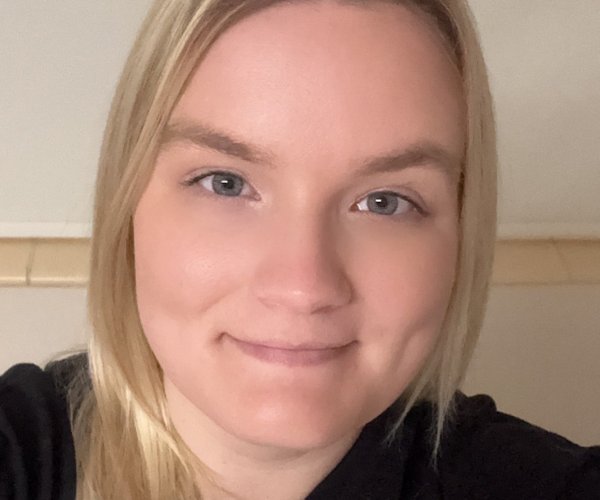
Justice Batt is a former Great Bend resident, now living in Ellinwood. She is enrolled in the Social Work Program at Fort Hays University. Contact her at jcbatt2@mail.fhsu.edu