The election is over.
The campaign signs can come down.
The commercials can stop interrupting whatever we were trying to watch before someone informed us that the other candidate was personally responsible for everything from inflation to the suspicious noise coming from our dishwasher.
And I have an announcement.
I don’t care how you voted.
I care whether you treat the waitress like a human being when your food takes longer than expected. I care whether you show up for the people who need you. I care whether the version of you that shows up on your phone or keyboard is one your children and grandchildren can be proud of, or someone who is not-so-silently judging everyone else based on how they voted.
Somewhere along the way, we started treating political affiliation like a complete personality assessment. We see a campaign sign and decide we know everything worth knowing about the people inside the house.
Their intelligence. Their values. Their motives. Whether they deserve a wave when we drive past.
That’s a remarkable amount of information to gather from a piece of corrugated plastic.
I know people who voted differently from me. Some of them are people I love. Some have helped my family. Some would show up with a trailer, a casserole or a shovel before I finished explaining what happened.
I’m supposed to forget all of that because we filled in different circles?
No, thank you.
I have enough going on without conducting a political background check on everyone who might help me move a couch.
Before anyone misunderstands, I’m not suggesting elections don’t matter.
They do.
Policies affect families, schools, businesses and communities. People have legitimate concerns, deeply held beliefs and personal experiences that shape their decisions.
You’re allowed to care. You’re allowed to celebrate. You’re allowed to be disappointed.
You’re even allowed to have an opinion without posting it 14 times before lunch. Shocking, I know.
What I’m asking is whether we can stop using those opinions as permission to be cruel or judgmental.
Can we retire the assumption that everyone who disagrees with us must be stupid? Can we stop sharing things simply because they insult the right people? Can we remember there’s an actual person on the other side of that comment section?
Preferably before we type something we would never say if our mother were standing beside us.
And PLEASE, for the love of everything holy, can we finally acknowledge that our 932 political posts didn’t change a single person’s mind?!?!?!
I work in community journalism. I spend a lot of time listening to people talk about their lives. Their children. Their work. Their losses. The things they hope will get better and the things they’re afraid might get worse.
Those conversations are rarely as simple as a campaign slogan.
People are complicated.
They can agree with you about one issue and disagree about another. They can make a decision you don’t understand for reasons you’ve never had to consider.
You don’t have to approve of their choice to ask a question and listen to the answer.
You might still disagree afterward. That’s allowed, too.
I think about the example we set for children. We tell them to use kind words, include others and handle disagreements without name-calling.
Then they watch adults get online and call strangers names over breakfast.
That has to be confusing.
Apparently, “treat others the way you want to be treated” has a footnote excluding election season.
In a small community, we need each other too much to keep this up. The person whose political post made you roll your eyes might be the person who stops when you have a flat tire. You might sit beside them at a ballgame, work with them on a fundraiser or find yourselves waiting together for news at the hospital.
We share schools, streets, businesses and the ordinary responsibilities of keeping a community going.
There is work waiting after an election. Children still need encouragement. Families still need help. Volunteers are still needed. Someone you know is having a hard week and could use a phone call that has absolutely nothing to do with Washington.
Put some energy there.
This year, after losing my dad, I have less patience for the ways we casually waste time with people we love.
That doesn’t mean I suddenly agree with everyone. Anyone who knows me can safely stop worrying about that.
It means I’m more aware that a conversation can be your last one without giving you any warning.
I don’t want my last exchange with someone I love to be a vicious argument neither of us was going to win. I don’t want to miss an opportunity to ask how they’re doing because I’m still irritated about something they shared online.
We can set boundaries. We can challenge harmful words and hold people accountable. Courtesy doesn’t require silence or surrender.
It does require a little restraint, some curiosity and the willingness to let a person be more than the worst thing we assume about them.
So congratulate your candidate or take a little time to be disappointed. Then take a breath.
Wave at your neighbor. Thank the poll workers. Check on somebody. Invite someone to lunch and discuss literally anything else.
I’m happy to start with grandchildren, books or football, although my fantasy team may require a separate conversation about disappointment.
The election is over.
We still have to live here together.
We’re still neighbors. Can we please act like it?
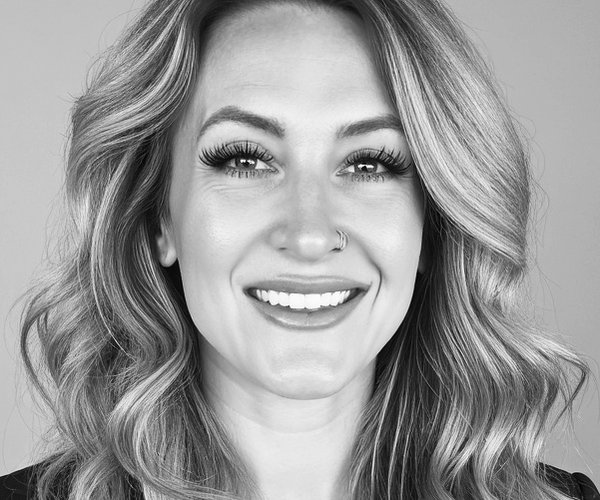
Yvonda Freeman is a reporter for the Great Bend Tribune. Email her at yfreeman@gbtribune.com.